Overseas Chinese Media Outlets Visit Huainan to Explore Its Thousand-Year Cultural Heritage
The 2026 Overseas Chinese Media Outlets’ Visit to Anhui kicked off in Hefei on November 9. Representatives from 20 overseas Chinese media outlets across five continents participated in the eight-day event. The aim was to enhance overseas people’s understanding of Anhui’s development and culture through on-site visits and interviews.
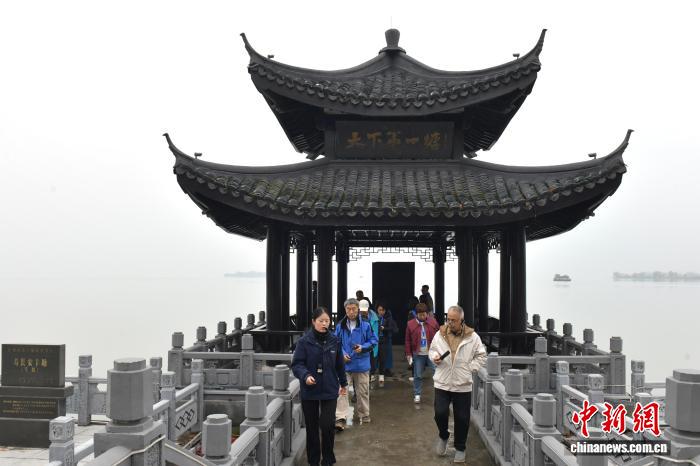
From November 14th to 15th, the delegation visited Huainan. At the Anhui Chu Culture Museum, they appreciated the millennia-old cultural heritage of the “last capital of Chu State”, admiring precious cultural relics such as gold coins of Chu State and sheep-shaped bronze vessels. They ascended the ancient city walls of Shouzhou and experienced the flood-control wisdom in the Song Dynasty. Facilities like the barbican and crescent dike flood control project still protect the city from floods. The story of the Battle of Fei River has been passed down through generations here. The Anfengtang Reservoir in Shouxian County, formerly known as Quebei, is an ancient water conservancy project built in the Spring and Autumn Period. It predated the Dujiangyan Irrigation System and has served irrigation purposes for over 2600 years, showing the ancient people’s wisdom in managing water by conforming to nature.
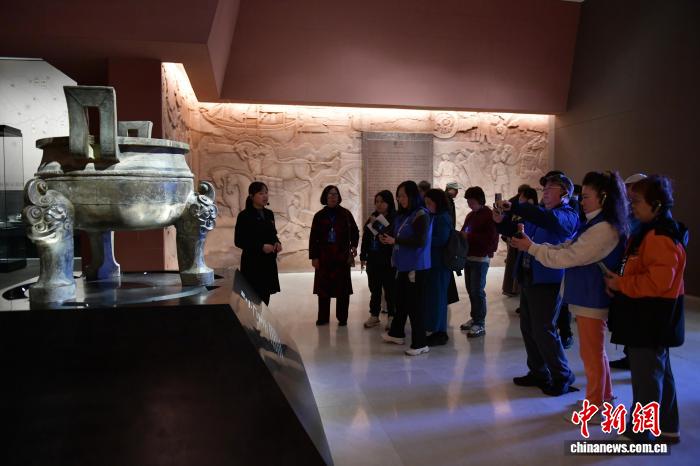
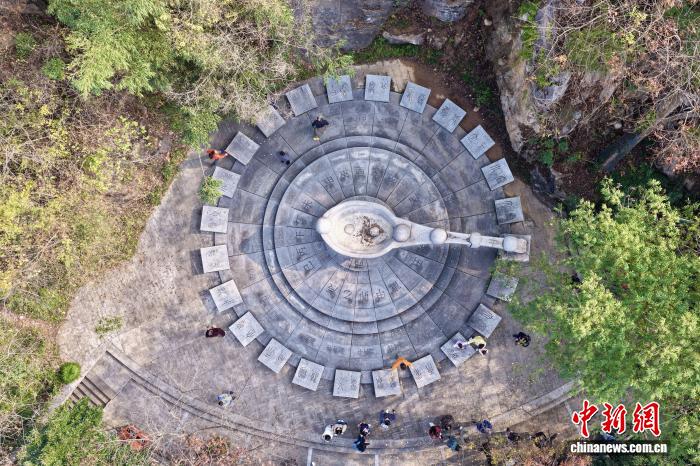
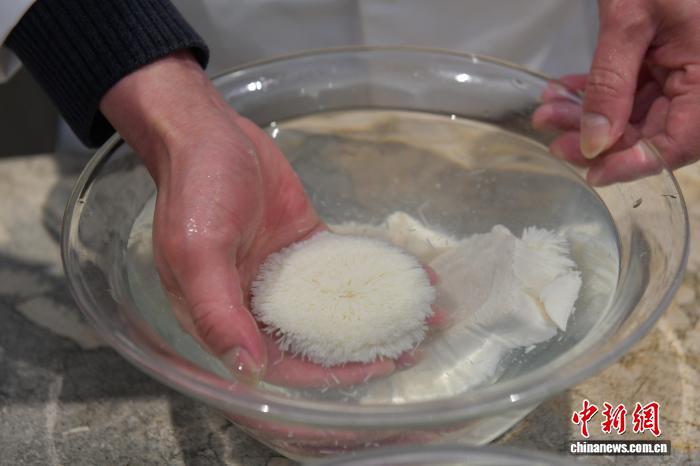
At the Bagong Mountain Geological Museum, representatives viewed fossils of the “Huainan Worm” dating back about 800 million years. In the Huainanzi Cultural Park, they learned about the Twenty-four Solar Terms recorded in Huainanzi, as well as the origins of idioms such as “the old man on the frontier lost his mare, who could have guessed it was a blessing in disguise?” and “every bush and tree looks like an enemy soldier”, knowing that many commonly used idioms originated here. At the Tofu Banquet Making Skill Training Base, craftsmen demonstrated the 11-step process for making tofu. Legend has it that Liu An, King of Huainan in the Western Han Dynasty, accidentally invented tofu while refining elixirs, and the record can also be found in Compendium of Materia Medica, a classic Chinese herbal text written by Li Shizhen in the Ming Dynasty (1368-1644). Nowadays, the output value of Huainan’s whole industrial chain of soybean products has exceeded 5 billion yuan. As a cultural symbol of Chinese cuisine, tofu is served on dining tables across the world.
Representatives of overseas Chinese media outlets stated that they would share the profound historical culture and industrial development stories of Huainan with overseas readers, conveying the unique charm of Chinese culture.